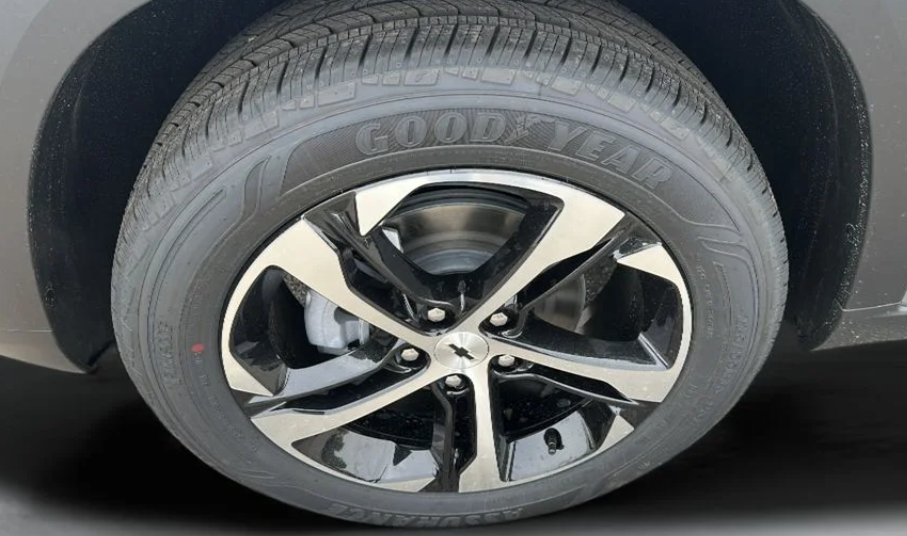





Have you ever noticed your vehicle pulling to one side while driving? That is often a sign your vehicle needs a wheel alignment service. At Speck Chevrolet of Prosser, we offer professional wheel alignment service in Prosser, WA for all makes and models. A proper car alignment is one of the most important and most overlooked maintenance services available. Here is everything you need to know about wheel alignments and why they matter for Prosser and Yakima Valley drivers. What Is a Wheel Alignment? A wheel alignment is a professional service that adjusts the angles of your vehicle's wheels. The goal is to make sure all four wheels are pointing in the correct direction. Proper alignment ensures your tires make even contact with the road surface. It also ensures your vehicle drives straight without pulling to either side. There are three main angles adjusted during a car alignment: Camber Camber is the inward or outward tilt of your tire when viewed from the front. Too much inward or outward tilt causes uneven tire wear on one side of the tread. Toe Toe refers to the direction your tires point when viewed from above the vehicle. Incorrect toe alignment causes rapid and uneven tire wear across the tread surface. Caster Caster is the angle of your steering axis when viewed from the side of the vehicle. Incorrect caster can cause your vehicle to pull to one side or feel unstable during cornering. What Is a Four-Wheel Alignment? A four-wheel alignment is the most comprehensive alignment service available. It adjusts all four wheels to the manufacturer's exact specifications. Most modern vehicles benefit from a full four-wheel alignment at every service interval. Our alignment shop in Prosser uses professional-grade equipment to perform precise adjustments on all makes and models. Why Is a Wheel Alignment Important? Extended Tire Life Misaligned wheels cause uneven and accelerated tire wear. A proper car alignment is one of the most cost-effective ways to extend the life of your tires significantly. Better Fuel Economy Misaligned wheels create additional rolling resistance that forces your engine to work harder. A proper wheel alignment service can meaningfully improve your vehicle's fuel economy over time. Improved Handling and Safety A misaligned vehicle pulls to one side and can feel unstable during cornering. That becomes especially dangerous at highway speeds or in emergency situations. A proper car alignment restores your vehicle's handling to exactly what the manufacturer intended. Reduced Wear on Steering and Suspension Misalignment puts extra stress on tie rods, ball joints, and other critical steering components. Regular wheel alignment service reduces that stress and extends the life of your entire suspension system. Signs Your Vehicle Needs a Wheel Alignment Watch for these common warning signs: Your vehicle pulls to the left or right on a straight road Your steering wheel is off-center when driving straight You notice uneven or rapid tire wear on one side Your vehicle feels loose or unstable during cornering You feel vibration through the steering wheel at highway speeds When Should You Get a Wheel Alignment? Most service professionals recommend checking your alignment every 12 months or 12,000 miles. You should also have your alignment checked after hitting a large pothole or curb, after a minor collision, after installing new tires, or after replacing steering or suspension components. Eastern Washington roads are tough on alignment. Regular wheel alignment service at our alignment shop in Prosser keeps your vehicle driving safely all year long. Schedule Your Wheel Alignment Today Ready to schedule your wheel alignment service in Prosser, WA? Here is how to book your appointment: Online: Visit our website and click "Schedule Service" By Phone: Call our service department directly Walk-In: Stop by during service hours for same-day availability Do not wait until your tires are worn or your vehicle is pulling to one side. Schedule your car alignment at your local alignment shop in Prosser today. Alignment Service The information provided is for general informational purposes only and does not constitute legal, financial, or professional advice. While we strive to provide accurate and up-to-date information, we make no guarantees regarding the completeness, accuracy, or reliability of the information presented. Any action you take based on the context of this blog is strictly at your own risk. Always consult a qualified professional or specialist for advice specific to your situation. We are not responsible for any losses or damages arising from the use of this blog or its content.
Summer Car Care Tips & Service Recommendations for Prosser, WA Drivers
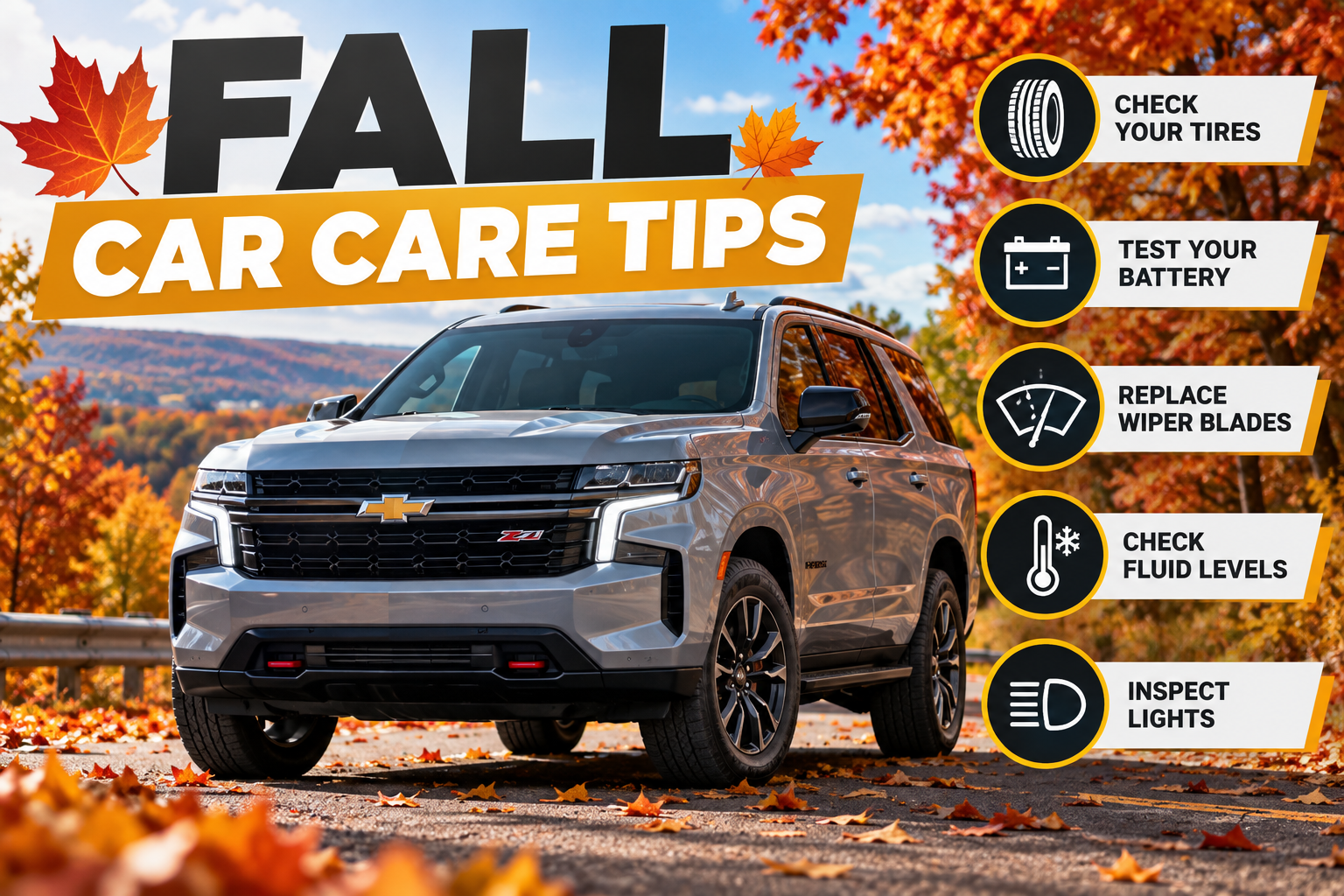
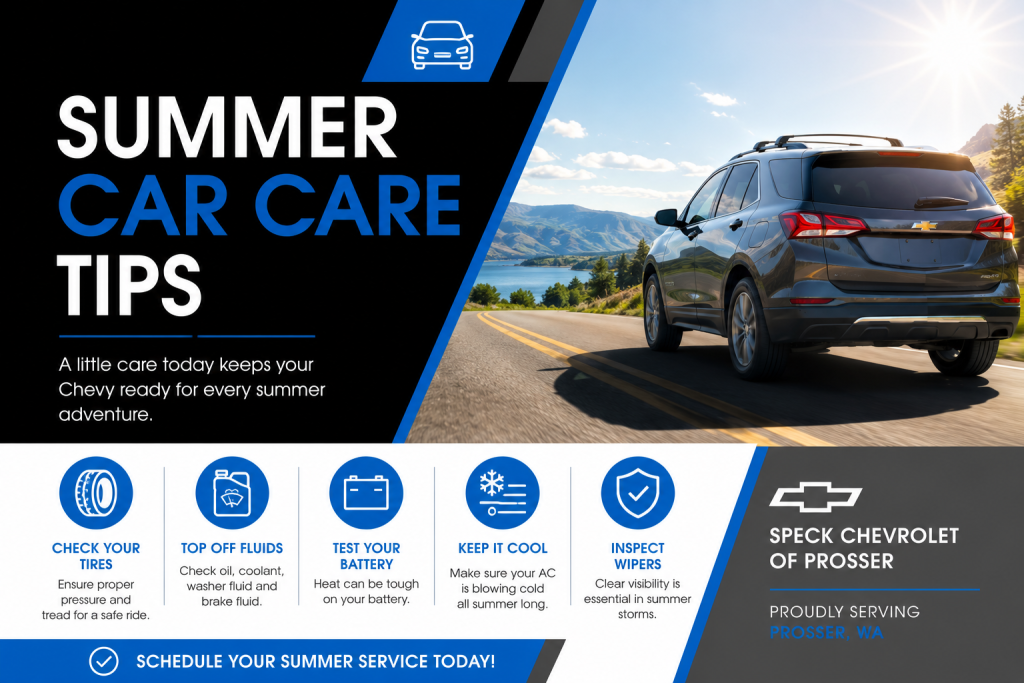
Summer in the Yakima Valley is no joke. With temperatures regularly hitting the 90s and 100s across Prosser and the surrounding area, your vehicle works harder than any other time of year. A little preventive maintenance before the heat peaks goes a long way toward keeping you safe, comfortable, and worry-free all summer long. Here are the most important summer car care tips and services our team at Speck Chevrolet of Prosser recommends before the temperatures climb. Top Summer Car Care Services Oil Change Service in Prosser, WA A fresh oil change is one of the most important things you can do heading into summer. Motor oil breaks down faster in extreme heat — losing its ability to properly lubricate your engine when it needs protection most. If you're due for an oil change service in Prosser, WA — or getting close — don't put it off heading into the hottest months. Fresh oil keeps your engine running cooler and more efficiently on long, hot drives across the Yakima Valley. Our service team at Speck Chevrolet of Prosser offers same-day oil change appointments — no long waits, no runaround. Summer Tires & Tire Inspection Heat is one of the biggest enemies of tire health. As pavement temperatures rise — Eastern Washington roads get extremely hot in July and August — tire pressure increases and worn tread becomes a real safety risk. Before summer road trips, our team recommends: Checking tire pressure when tires are cold — heat causes pressure to rise, so always check before driving Inspecting tread depth — the legal minimum is 2/32" but 4/32" or more is recommended for safe highway driving Looking for sidewall cracking or bulging — a sign of internal damage that needs immediate attention Considering summer tires if you drive aggressively or want maximum dry-weather performance Summer tires are engineered specifically for warm weather performance — offering superior grip, handling, and braking on hot, dry pavement compared to all-season tires. Ask our team whether summer tires are the right choice for your driving style and vehicle. Cooling System Service Your cooling system is your engine's first line of defense against summer heat. Low or degraded coolant can lead to overheating — one of the most common and costly summer breakdowns. Our summer service recommendation includes: Checking coolant level and condition Inspecting hoses and belts for cracks or wear Pressure testing the cooling system if your vehicle is older or high-mileage Don't wait until your temperature gauge climbs into the red. A cooling system check before summer is fast, affordable, and could save you from a costly roadside breakdown. Battery Test Most drivers associate dead batteries with winter — but summer heat is actually harder on batteries than cold weather. High temperatures accelerate the chemical breakdown inside a battery and can cause it to fail without warning. If your battery is more than three years old, have it tested before the heat sets in. Our service team can test your battery's charge and cranking power quickly during your next visit. A/C System Service A struggling A/C isn't just uncomfortable — it can signal a refrigerant leak or a failing compressor. If your air isn't blowing as cold as it used to, or takes a while to cool the cabin, have your A/C inspected and recharged before summer peaks. Yakima Valley heat is no time to discover your A/C is out on a 105°F afternoon. Brake Inspection Planning any summer road trips through mountain passes or hilly terrain? Your brakes deserve a look before you go. Worn brake pads or low brake fluid can put you in a dangerous situation on a long downhill stretch. Our service team can inspect brake pad thickness and overall brake system health quickly during your visit. Fluid Top-Off Summer heat affects more than just your coolant. Our summer service checklist includes checking and topping off: Windshield washer fluid Brake fluid Power steering fluid Transmission fluid Keeping all fluids at proper levels ensures every system operates as it should during the hottest months. Wiper Blade Replacement Summer storms in Eastern Washington can pop up fast. Worn wiper blades streak and skip — making it hard to see clearly when you need to most. Wiper blades are quick and inexpensive to replace — an easy win for summer safety. Extra Summer Car Care Tips Beyond scheduled service, a few simple habits can make a big difference all summer long: Park in the shade — reduces interior temps and protects your dashboard and upholstery from UV damage Use a windshield sunshade — drops interior temps by 15–20°F and protects your steering wheel Keep an emergency kit in your vehicle — water, jumper cables, a first aid kit, and a phone charger are summer road trip essentials Never leave pets or children in the car — temperatures inside a parked car can exceed 140°F on hot days. Not even a few minutes is safe. Schedule Your Summer Service at Speck Chevrolet of Prosser Don't wait until something goes wrong. Our service team at Speck Chevrolet of Prosser is here to get your vehicle summer-ready — from oil change service in Prosser, WA to tire inspections, A/C service, battery tests, and more. Same-day appointments are available, and our local shuttle means you don't have to wait at the dealership while we work. Schedule your summer service appointment online or stop by — we'll get you in, get you out, and get you back on the road with confidence this summer. Schedule Service The information provided is for general informational purposes only and does not constitute legal, financial, or professional advice. While we strive to provide accurate and up-to-date information, we make no guarantees regarding the completeness, accuracy, or reliability of the information presented. Any action you take based on the context of this blog is strictly at your own risk. Always consult a qualified professional or specialist for advice specific to your situation. We are not responsible for any losses or damages arising from the use of this blog or its content.
Chevy Oil Change at Speck Chevrolet of Prosser — Same-Day Service, No Long Waits
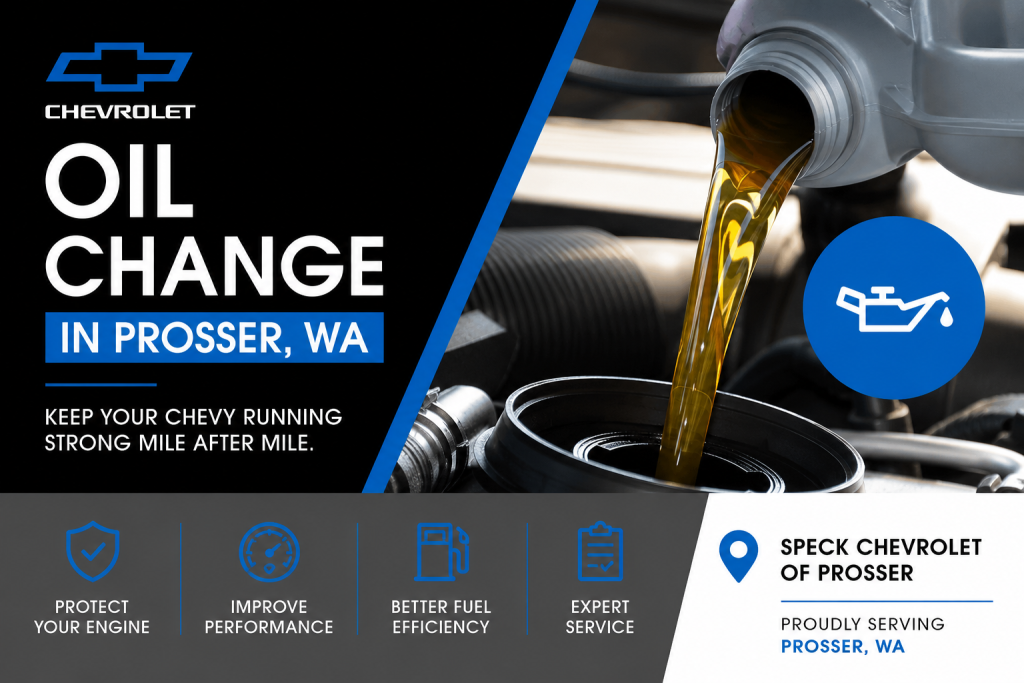
If you've been searching for a Chevy oil change near Prosser, WA, look no further than Speck Chevrolet of Prosser. We offer fast, affordable Chevrolet oil change service with same-day appointments, short turnaround times, and a local shuttle for customers who can't wait. No weeks-long waits, just quality service done right. Same-Day Appointments — No Weeks of Waiting One of the biggest frustrations drivers face at other Chevrolet dealerships in Washington State is the wait. Booking days or weeks out for a routine oil change shouldn't be the norm. At Speck Chevrolet of Prosser, same-day appointments are available for oil changes based on current availability. Call us, schedule online, or simply stop by, our team works hard to get you in and out as quickly as possible. Typical Oil Change Turnaround Times We respect your time and we show it: Conventional or Synthetic Blend: Approximately 60 minutes Best Synthetic Oil Change (Full Synthetic): Approximately 60 minutes Oil Change + Multi-Point Inspection: Approximately 60 minutes We communicate openly and keep you updated every step of the way. No surprises, no unexplained waits. Our Oil Change Service Hours Monday – Friday: 7:30 AM – 5:30 PM Saturday: 7:30 AM – 4:30 PM Sunday: Closed Hours may vary around holidays — check our website or call ahead to confirm. We recommend arriving early for the fastest same-day turnaround. Early drop-offs are welcome and our team gets started right away. Local Shuttle Service Available Can't wait at the dealership? No problem. We offer a local shuttle service for Prosser area customers. Simply drop your vehicle off, get a ride to work or home, and we'll let you know when your Chevy is ready. Simply let our service team know when you arrive and we'll arrange your ride. Different Oil Blends- Which is Best for You Chevy? Choosing the right oil for your Chevrolet makes a real difference. Not sure which oil your Chevrolet needs or how often your oil needs changed? Our certified technicians will recommend the right type for your specific model. Here's a quick breakdown: Conventional Oil: Best for older vehicles or lower mileage models. Changed every 3,000–5,000 miles. Synthetic Blend: Better protection than conventional at a moderate price. A solid middle-ground for many Chevy models. Full Synthetic: The best synthetic oil change option. Resists breakdown longer, flows better in cold weather, and protects your engine in Eastern Washington's extreme summer heat. Most modern Chevrolets recommend full synthetic, with intervals of 7,500– What's Included With Your Chevy Oil Change? Every Chevy oil change at a Chevrolet dealership includes: Oil and filter replacement with GM-approved OEM fluids Multi-point vehicle inspection Tire pressure check Fluid level check, including coolant, brake, power steering & washer fluid Visual brake inspection Digital inspection report sent to your phone or email Schedule Your Chevy Oil Change Today Ready to book your Chevrolet oil change in Prosser, Washington? Here's how: Online: Visit our website and click "Schedule Service" By Phone — Call our service department directly at 509-781-9170 Don't put off your next Chevy oil change. Stop by Speck Chevrolet of Prosser and let our team take care of you. Schedule Service Service Specials The information provided is for general informational purposes only and does not constitute legal, financial, or professional advice. While we strive to provide accurate and up-to-date information, we make no guarantees regarding the completeness, accuracy, or reliability of the information presented. Any action you take based on the context of this blog is strictly at your own risk. Always consult a qualified professional or specialist for advice specific to your situation. We are not responsible for any losses or damages arising from the use of this blog or its content.
Summer Tire Check — Get Your Vehicle Road Trip Ready at Speck Chevrolet of Prosser
Summer in the Yakima Valley means road trips — whether you're heading to the Oregon Coast, crossing the Cascades, or cruising down to the Columbia River Gorge. Before you load up the car and hit the highway, these summer tire safety tips for Yakima Valley drivers could be the most important thing you read before you go. Hot pavement, long distances, and heavy loads all put extra stress on your tires in summer, and a few minutes of inspection before you leave can save you from a blowout, poor fuel economy, or a dangerous situation miles from home. Here's what to check — and how Speck Chevrolet of Prosser can help make sure you're good to go. Why Summer Is Hard on Tires Heat is one of the biggest enemies of tire health. As pavement temperatures rise — Eastern Washington roads can get extremely hot in July and August — tire pressure increases, rubber softens, and worn tread becomes a real safety risk. Add a full load of passengers and gear, and the demands on your tires go up even further. The good news is that a basic pre-trip tire inspection takes less than 10 minutes and can make a significant difference in safety and fuel efficiency. Your Summer Tire Checklist ✓ Check Tire Pressure — Tire pressure fluctuates with temperature — roughly 1 PSI for every 10°F change. Hot summer weather can cause tires to over-inflate, which reduces the contact patch and can lead to uneven wear or a blowout. Check your pressure when the tires are cold (before driving) and inflate to the recommended PSI listed on the sticker inside your driver's door — not the number on the tire sidewall. ✓ Inspect Tread Depth — Worn tread means reduced traction, especially if you hit any summer rain. The legal minimum is 2/32", but for safe summer driving — especially at highway speeds — 4/32" or more is recommended. A quick check: insert a quarter into a tread groove with Washington's head pointing down. If you can see the top of his head, it's time for new tires. ✓ Look for Sidewall Damage — Walk around your vehicle and inspect the sidewalls of each tire for cracks, bulges, or bubbles. A bulge in the sidewall is a sign of internal damage and means the tire could fail at any moment — especially under highway load and heat. Don't road trip on a bulging tire. ✓ Check for Uneven Wear — Uneven tread wear is often a sign of alignment or suspension issues. If the inner or outer edges of your tire are wearing faster than the center, or vice versa, it's worth having your alignment and tire rotation checked before a long drive. ✓ Don't Forget the Spare — A spare that's flat or cracked won't help you if you get a roadside flat on Highway 12 or I-82. Check your spare's pressure and condition before every road trip. Quick Summer Tire Tips Check pressure in the morning Always check tire pressure when tires are cold — before you've driven more than a mile or two — for the most accurate reading. Don't overload your vehicle Every vehicle has a max load rating. Exceeding it in summer heat dramatically increases the risk of a blowout. Rotate every 5,000–7,500 miles Regular rotation extends tire life and ensures even wear across all four tires — especially important heading into a heavy-use summer. Watch for vibration while driving Vibration or pulling to one side while driving is often a sign of alignment, balance, or tire issues. Get it checked before a long trip. Let Speck Chevrolet of Prosser get you road trip ready. Our service team can inspect your tires, check your alignment, rotate and balance, and make sure your vehicle is in top shape before you hit the road this summer. We serve drivers from Prosser, Sunnyside, and across the Tri-Cities and Yakima Valley. Schedule your summer service appointment online or stop by — we'll get you out the door and on your way. Shop New Tires The information provided is for general informational purposes only and does not constitute legal, financial, or professional advice. While we strive to provide accurate and up-to-date information, we make no guarantees regarding the completeness, accuracy, or reliability of the information presented. Any action you take based on the context of this blog is strictly at your own risk. Always consult a qualified professional or specialist for advice specific to your situation. We are not responsible for any losses or damages arising from the use of this blog or its content.
How often should you I get an oil change?
Regular oil changes are one of the easiest ways to protect your engine and keep your vehicle running smoothly. Modern engines and improved oil technology allow for longer service intervals than in the past. At Speck Chevrolet of Prosser, we help drivers understand the right schedule for their vehicle. General Oil Change Interval Most modern vehicles can go between 7,500 and 10,000 miles between oil changes under normal driving conditions. Vehicles using conventional oil or older models may need service closer to 3,000 to 5,000 miles. The best recommendation will always come from your owner’s manual. Following these guidelines helps maintain engine performance and efficiency. Factors That Can Change Your Schedule Your driving habits can impact how often you need an oil change. Frequent short trips, heavy traffic, towing, and extreme weather can all cause oil to break down faster. Vehicles driven under these conditions may need more frequent service. Paying attention to how and where you drive can help you adjust your maintenance schedule. Time-Based Oil Changes Oil changes are not only based on mileage but also on time. Many vehicles recommend changing the oil every 6 to 12 months. Oil can break down over time even if the vehicle is not driven often. Staying on a time-based schedule helps ensure your engine stays properly protected. Final Thoughts Most drivers should plan for an oil change every 7,500 to 10,000 miles or at least once a year. Adjust your schedule based on your driving habits and vehicle type. Visit Speck Chevrolet of Prosser for professional oil change service and expert care. Be sure to see if we have any available service specials! Schedule Service The information provided is for general informational purposes only and does not constitute legal, financial, or professional advice. While we strive to provide accurate and up-to-date information, we make no guarantees regarding the completeness, accuracy, or reliability of the information presented. Any action you take based on the context of this blog is strictly at your own risk. Always consult a qualified professional or specialist for advice specific to your situation. We are not responsible for any losses or damages arising from the use of this blog or its content.
When to Replace Your Windshield Wipers
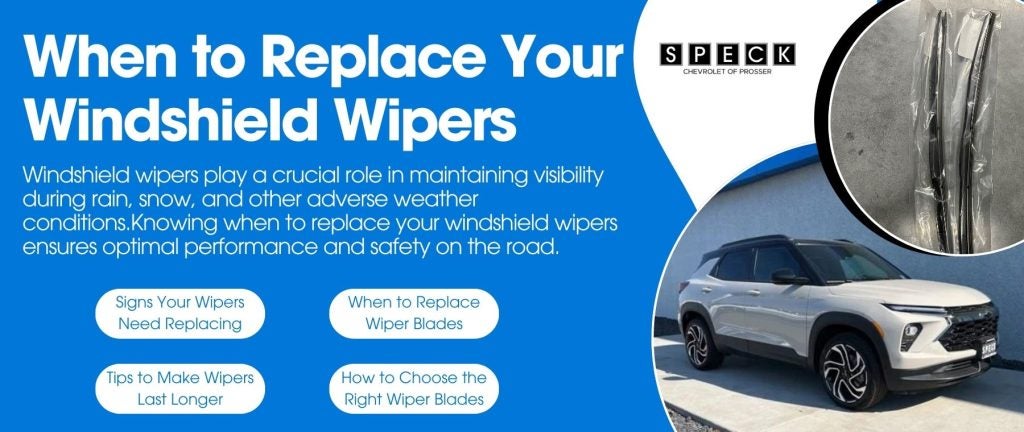
Windshield wipers play a crucial role in maintaining visibility during rain, snow, and other adverse weather conditions. Over time, wiper blades wear out, reducing their effectiveness and making driving hazardous. Knowing when to replace your windshield wipers ensures optimal performance and safety on the road. 1. Signs That Your Windshield Wipers Need Replacing If you notice any of the following signs, it's time to replace your wipers: Streaking or Smearing: If your wipers leave streaks on the windshield, they may be worn out or have dirt buildup. Skipping or Chattering: Wipers that bounce or skip across the glass indicate hardened rubber or an uneven edge Squeaking Noises: A loud, high-pitched squeak often means the rubber is dry and no longer making proper contact with the glass. Cracked or Torn Rubber: Inspect the blades for visible cracks or splits, which reduces their effectiveness. Reduced Visibility in Rain or Snow: If your wipers struggle to clear the windshield properly, replacing them can improve your visibility and safety. New wiper blades clearing rain for a windshield. 2. How Often Should You Replace Windshield Wipers? Most experts recommend replacing windshield wipers every 6 to 12 months, but factors like climate and usage may affect their lifespan. Consider replacing them sooner if you: Frequently drive in extreme weather conditions (heat, cold, rain, or snow). Notice a significant drop in performance. See visible wear or damage on the blades. 3. How to Extend the Life of Your Windshield Wipers To maximize the lifespan of your wipers, follow these maintenance tips: Clean Your Windshield Regularly: Dirt and debris can cause excessive wear on the rubber blades. Wipe Down the Blades: Use a damp cloth or wiper cleaner to remove buildup and keep the rubber flexible. Lift Wipers During Freezing Weather: Prevent ice buildup that can crack or tear the rubber. Use the Right Washer Fluid: Avoid harsh chemicals that may degrade the rubber over time. Replace Wipers in Pairs: Ensure even performance by changing both wipers at the same time. 4. Choosing the Right Wiper Blades When selecting new wipers, consider the following options: Conventional Blades: Standard, budget-friendly option found on most vehicles. Beam Blades: More durable, better at handling extreme weather, and offer a sleeker design. Hybrid Blades: Combine durability and aerodynamic efficiency for improved performance. Check your vehicle's owner's manual for the correct size and type of wipers before purchasing replacements. Final Thoughts Windshield wipers are essential for clear visibility and safe driving. By recognizing the signs of wear and replacing them regularly, you can maintain peak performance and drive with confidence in any weather condition. Don't wait until a storm hits, schedule your appointment today! Schedule Service Appointment The information provided is for general informational purposes only and does not constitute legal, financial, or professional advice. While we strive to provide accurate and up-to-date information, we make no guarantees regarding the completeness, accuracy, or reliability of the information presented. Any action you take based on the context of this blog is strictly at your own risk. Always consult a qualified professional or specialist for advice specific to your situation. We are not responsible for any losses or damages arising from the use of this blog or its content.
How Often Should I Get My Air Conditioning Serviced?
Keeping your vehicle's air conditioning (A/C) system in top shape is key to staying cool and comfortable during the warmer months. Routine maintenance not only ensures comfort but can also help you avoid costly repairs down the road. Recommended Service Frequency In general, it's a good idea to have your A/C system inspected and serviced at least once a year. This annual check-up helps technicians spot any developing issues before they become major problems. However, you might need service sooner if you notice any of the following: Weak or warm airflow Strange noises when the A/C is running A musty or unpleasant smell coming from the vents Visible leaks under the car (especially if oily or greenish in color) What Happens During an A/C Service? When you bring your vehicle in for an A/C service, a technician typically: Inspects the A/C compressor, condenser, and other components Checks for refrigerant leaks Measures refrigerant levels and recharges if necessary Tests the system's pressure and cooling performance Cleans or replaces the cabin air filter Air Conditioning System. Why Regular A/C Maintenance Matters Neglecting your A/C system can lead to a loss in performance, reducing fuel efficiency, and even damage to other components. Regular maintenance ensures: Consistent cabin cooling Proper airflow Extended lifespan of A/C components Schedule Your A/C Service Today If it's been more than a year since your last A/C service, or if your system isn't performing like it used to, it's time to schedule an inspection. Browse our service specials, then schedule your AC service at 509-781-9170! Schedule Service Appointment The information provided is for general informational purposes only and does not constitute legal, financial, or professional advice. While we strive to provide accurate and up-to-date information, we make no guarantees regarding the completeness, accuracy, or reliability of the information presented. Any action you take based on the context of this blog is strictly at your own risk. Always consult a qualified professional or specialist for advice specific to your situation. We are not responsible for any losses or damages arising from the use of this blog or its content.
Why Does My Vehicle Need a Fuel System Cleaning Service?
Maintaining your vehicle's performance and efficiency involves more than just regular oil changes and tire rotations. One critical aspect that often gets overlooked is the fuel system. Over time, deposits and dirt can build up in your fuel system, affecting engine performance and fuel efficiency. That's where fuel system cleaning services come in. But with several options available, how do you know which one is right for your vehicle? In this guide, we'll break down the different types of fuel system cleaning services and why you might need them. What is a Fuel System Treatment? Before diving into the types of services, let's start with the basics. A fuel system cleaning service involves cleaning the components of your vehicle's fuel delivery system, including the fuel injectors, intake valves, and combustion chambers. Types of Fuel System Cleaning Services 1. Fuel Injector Cleaning Injectors play a crucial role in delivering the right amount of fuel to your engine. Fuel injector cleaning focuses on removing these deposits to restore optimal spray patterns and fuel flow. A cleaning solution flushes the injectors, dissolving carbon deposits and debris. Signs you may need fuel injector cleaning include rough idling, reduced fuel efficiency, or difficulty starting your car. 2. Throttle Body Cleaning The throttle body regulates the amount of air that enters the engine. Over time, dirt and carbon can accumulate on the throttle body, leading to poor engine performance. Clean the throttle body manually using a specialized cleaning agent to remove buildup. Symptoms include a sticky gas pedal, uneven acceleration, or a check engine light indicating throttle issues. 3. Intake Valve and Combustion Chamber Cleaning This service targets carbon deposits that build up in the intake valves and combustion chambers, which can affect engine timing and fuel combustion. To break down carbon deposits, a cleaning solution is put into the engine through the air intake or directly through the fuel system. If your engine is knocking, losing power, or failing emissions tests, this service could help. 4. Full Fuel Systems Cleaning A full fuel system cleaning is a comprehensive service that addresses the entire fuel system, including the fuel injectors, throttle body, intake valves, and combustion chambers. A combination of cleaning methods and solutions clean all components of the fuel system thoroughly. This service is ideal for vehicles with high mileage or those experiencing a noticeable decline in overall performance. Why Would You Need a Fuel System Cleaning Service? Improved Fuel Efficiency A clean fuel system allows for better fuel atomization and combustion, which can improve your vehicle's fuel economy. Enhanced Engine Performance Removing deposits from critical components helps your engine run smoothly, reducing issues like rough idling, hesitation, or loss of power. Extended Engine Life Regular fuel system cleaning reduces the wear and tear caused by carbon deposits, helping your engine last longer. Compliance with Emissions Standards A clean fuel system helps your vehicle burn fuel more efficiently, which can reduce harmful emissions and improve your chances of passing an emission test. Preventative Maintenance Investing in fuel system cleaning services can help you avoid costly repairs down the line by preventing excessive buildup and damage to engine components. When Should You Consider Fuel System Cleaning? The frequency of fuel system cleaning depends on factors such as your vehicle's age, driving habits, and the type of fuel you use. Many manufacturers recommend cleaning your fuel system every 30,000 miles but always consult your owner's manual. By understanding the different types of services and their benefits, you can make an informed decision that keeps your car running like new for years to come. Schedule your fuel system cleaning service online or call the experts at 509-402-2243. The information provided is for general informational purposes only and does not constitute legal, financial, or professional advice. While we strive to provide accurate and up-to-date information, we make no guarantees regarding the completeness, accuracy, or reliability of the information presented. Any action you take based on the context of this blog is strictly at your own risk. Always consult a qualified professional or specialist for advice specific to your situation. We are not responsible for any losses or damages arising from the use of this blog or its content.
HOW DOES THE TIRE PRESSURE MONITOR SYSTEM WORK?
The tire pressure monitor system is a convenient system that constantly monitors your tire's pressure in order to ensure your tires have enough air and are ready to hit the road. This feature presents an extra safety addition, as tires are the only contact your vehicle has with the road. On many newer vehicle models, the TPMS can be integrated with the driver information display. Each tire is equipped with a special sensor that lets your vehicle know that a tire is low, and will indicate that with a warning light and information on the equipped driver information display. If the vehicle is equipped, the TPMS can sense the amount of pressure within each tire and display each psi on the display. This helps save time trying to find which tire needs air the most. TPMS sensors also need to be replaced or serviced as they can lose battery over time. The average lifespan of a tire pressure sensor is about 7-8 years, but can last much longer than that. New models have an easy fill feature added to the tire pressure system. This easy fill feature saves you even more time by providing an alert when your tire is at the ideal psi as you are filling up your tires. Is it time to service your Tire Pressure Monitor System? Schedule a service here with the experts at Speck Chevrolet Buick of Prosser! The information provided is for general informational purposes only and does not constitute legal, financial, or professional advice. While we strive to provide accurate and up-to-date information, we make no guarantees regarding the completeness, accuracy, or reliability of the information presented. Any action you take based on the context of this blog is strictly at your own risk. Always consult a qualified professional or specialist for advice specific to your situation. We are not responsible for any losses or damages arising from the use of this blog or its content.
TIME TO PULLOVER: TOP 3 REASONS FOR A VEHICLE BREAKDOWN
There will never be a good time for a breakdown! The best way to avoid any breakdowns is preventative maintenance. Here is a list of the top 3 reasons why cars break down and how to prevent them: Flat Tires: Flat tires can happen when you least expect it! They can be caused from puncture by a sharp object, tire leak, too much wear, heat and more. Make sure you are up-to-speed on fixing a flat or have a spare ready to go. Prevent - Check your tire pressure on a regular basis! It's a good idea to get a tire rotation a few times a year, or even every time you get an oil change service. Always inspect your tires and do not drive with low tire pressure for too long. Faulty/Dead Battery: A faulty or dead battery can leave you stranded, looking for a jumpstart. Your battery can be affected by extreme temperatures, but they also need replacement over time. Prevent - Do not leave lights on or devices charging inside of your vehicle. Getting your battery tested every season can prevent any future issues as well! Overheating: If your vehicle's temperature gauge begins to rise past normal levels, it's time to pullover and get your vehicle to the shop! Prevent - Ensure your coolant levels are full and that it is clean! Our mechanics can double check hoses and connections in your coolant system for any visible leaks. A coolant flush may also be a good idea. Our expert technicians here at Speck Chevrolet Buick of Prosser can take care of any issues you may be experiencing with your vehicle, and provide a thorough inspection to see if your vehicle is ready to hit the road. Schedule your service online here! The information provided is for general informational purposes only and does not constitute legal, financial, or professional advice. While we strive to provide accurate and up-to-date information, we make no guarantees regarding the completeness, accuracy, or reliability of the information presented. Any action you take based on the context of this blog is strictly at your own risk. Always consult a qualified professional or specialist for advice specific to your situation. We are not responsible for any losses or damages arising from the use of this blog or its content.
SUMMER MAINTENANCE TIPS
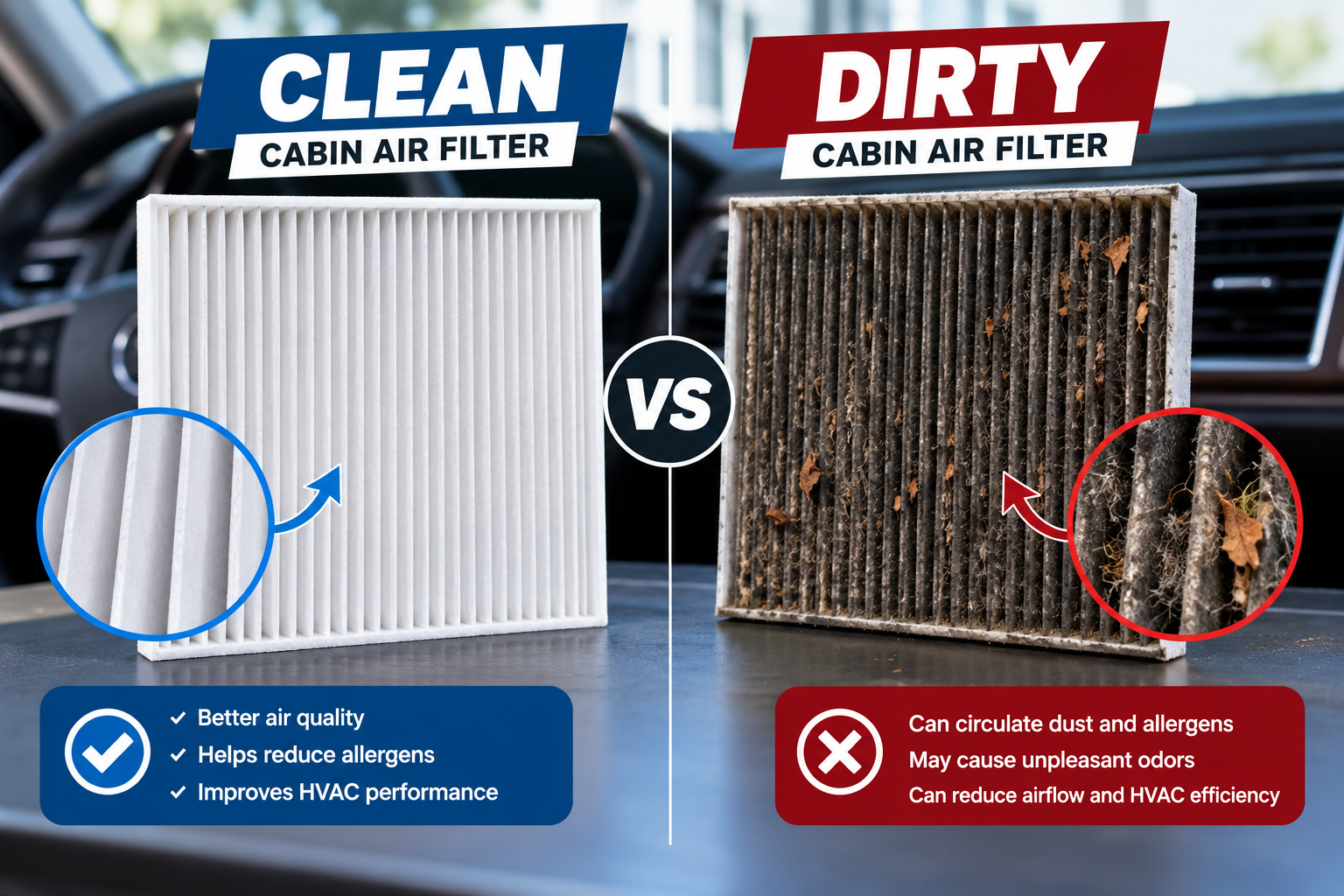
Engine: As this weather heats up, so will your engine! Cooling systems are an extremely important part of your car's system, and It may be a great time to get your coolant flushed. Always ensure the coolant is filled to the proper level, and if necessary, you can put a 50/50 mixture of coolant and water in the overflow reservoir. As you check your engine cooling system, be sure to take a look at the condition of the belts, hoses, and anything rubber. Battery: Your vehicle battery is also an important part of your regular maintenance, and should be checked as a part of your seasonal maintenance. The summer heat can easily create wear and tear on your battery, so it's very important to make sure your battery is mounted safely. Inspect for corrosion and build-up on the terminals, wearing protective gloves. Our team is happy to do this for you, as well as give your battery a test to see how it's performing. Tires: Just like the winter, the extreme weather can affect your tire pressure. The heat of the road and a lack of tire pressure can create tire conditions worthy of a possible blow out. Keep in mind that extreme heat can expand the air inside of the tire, causing it to increase tire pressure. Follow the proper inflation guide listed in your owner's manual or door jamb. Regular rotations are also an excellent idea. Air Conditioning: This one you can feel first hand. This one is not only important for you, but for your potential passengers. Maintain a good interior temperature by getting your air system checked! If it's not cooling like it used to, you may need more refrigerant, or a possible leak somewhere in the system. Many vehicles now have a cabin air filter that keeps your inside air clean. It is important that this filter is regularly inspected and replaced as needed. Fluids: Transmission Fluid, Brake Fluid, Power Steering Fluid, Coolant, Engine Oil; all of these fluids lubricate and protect your system. Your owner's manual should be able to give you a good idea of inspection intervals. Oil changes have typically been suggested to be performed around roughly every 3,000 miles, but nowadays can differ depending on your vehicle. Contact our Certified Service experts at Speck Chevrolet Buick of Prosser if you need some help to figure out how often you should be checking and replacing your oil & filter. Time for an oil change? You can schedule this service with us at Speck Chevrolet Buick of Prosser online! The information provided is for general informational purposes only and does not constitute legal, financial, or professional advice. While we strive to provide accurate and up-to-date information, we make no guarantees regarding the completeness, accuracy, or reliability of the information presented. Any action you take based on the context of this blog is strictly at your own risk. Always consult a qualified professional or specialist for advice specific to your situation. We are not responsible for any losses or damages arising from the use of this blog or its content.