

Speck Chevrolet of Prosser

Blog / Car Care Tips

What Causes a Vehicle to Hydroplane and What Should You Do?

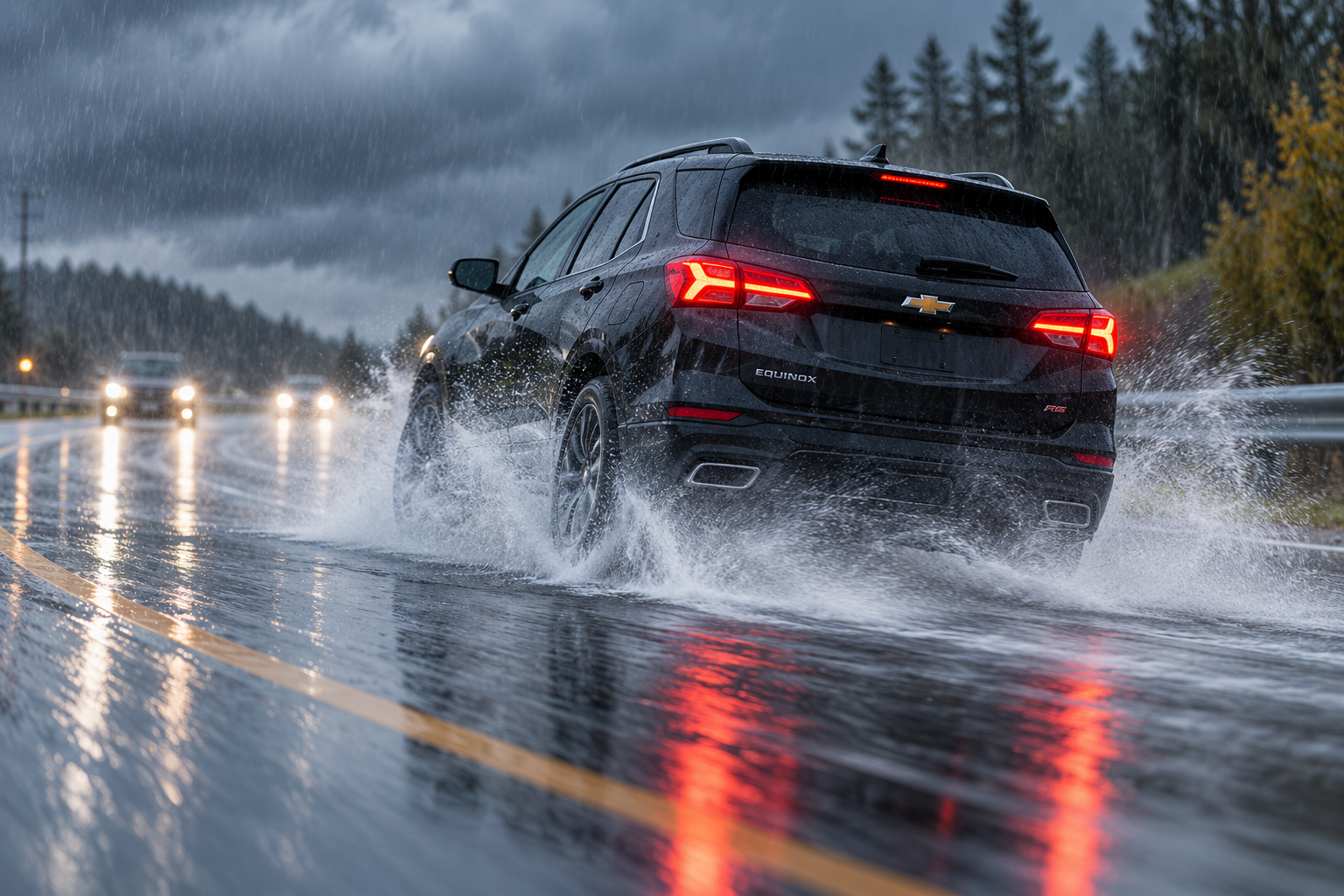
chevrolet-equinox-in-a-storm

Hydroplaning is one of the most frightening and dangerous driving experiences any driver can face. It can happen suddenly and without warning on wet Eastern Washington roads during fall and winter seasons. Understanding what causes hydroplaning, what to do when hydroplaning, and how to prevent hydroplaning can save your life on wet Tri-Cities and Yakima Valley roads.

What Is Hydroplaning?

Hydroplaning occurs when your tires ride on top of a layer of water instead of maintaining contact with the road surface. Your steering, braking, and acceleration all become ineffective during a hydroplaning event. The sensation is often described as a sudden feeling of floating with no connection to the road beneath you. Hydroplaning can occur at speeds as low as 35 miles per hour on roads with standing water present.

What Causes Hydroplaning?

Vehicle Speed
Speed is the single most important factor in hydroplaning. The faster you drive on a wet road, the less time your tires have to channel water away from the contact patch. Reducing your speed on wet Tri-Cities roads is the single most effective way to prevent hydroplaning.

Worn Tire Tread
Your tire tread is specifically designed to channel water away from the contact patch between your tire and the road. Worn tires with shallow tread depth cannot channel water effectively at any speed. A tire with less than 4/32 inch of tread is significantly more susceptible to hydroplaning than a tire with adequate tread.

Standing Water on the Road
Hydroplaning is most likely when there is standing water on the road surface. Eastern Washington fall rains arrive after months of dry summer conditions leaving roads covered in oils and debris. Low spots on roads in Kennewick, Richland, and Pasco can accumulate standing water quickly during heavy fall rain events.

Underinflated Tires
An underinflated tire's contact patch is deformed and cannot disperse water as efficiently as a properly inflated tire. Always maintain your tires at the recommended PSI on your driver's side door jamb sticker during Eastern Washington's wet fall and winter seasons.

What to Do If Your Car Hydroplanes

Knowing exactly what to do when hydroplaning before it happens is critical for staying safe. Here is a step-by-step guide to surviving a hydroplaning event safely:

Stay Calm
Panic is your worst enemy during a hydroplaning event. Focus on the steps below without making any sudden or drastic inputs to the steering wheel or pedals.

Ease Off the Accelerator
The moment you feel your vehicle begin to hydroplane, ease off the accelerator smoothly and gradually. Releasing the accelerator allows your vehicle to slow naturally and gives your tires the opportunity to regain contact with the road.

Do Not Brake Hard
Hard braking during hydroplaning can make the situation significantly worse. If you need to slow down, apply gentle and progressive brake pressure rather than sudden hard braking. Vehicles with ABS will modulate brake pressure automatically but gentle inputs are still recommended.

Steer Gently and Straight
Keep your steering wheel pointed in the direction you want to go and avoid sudden or large steering corrections. If your vehicle begins to rotate, gently steer in the direction of the skid to help regain control.

Wait for Traction to Return
In most cases a hydroplaning event lasts only a few seconds before your tires regain contact with the road. Once traction is restored, gently resume normal control and reduce your speed for the remaining wet road conditions.

How to Prevent Hydroplaning

Here are the most effective hydroplaning tips and wet road driving tips for Tri-Cities and Yakima Valley drivers:

Slow Down on Wet Roads
Reducing your speed is the single most effective way to prevent hydroplaning on any wet road surface. Most hydroplaning occurs at speeds above 35 miles per hour on roads with standing water. Slow down during rain and give yourself extra time to reach your destination safely.

Maintain Adequate Tire Tread
Have your tires inspected at Speck Dealerships during every oil change visit. Replace your tires when tread depth approaches 4/32 inch to maintain maximum wet road traction during Eastern Washington fall and winter seasons.

Maintain Correct Tire Pressure
Check your tire pressure at least once a month during Eastern Washington's wet fall and winter seasons. Properly inflated tires channel water more effectively and significantly reduce your hydroplaning risk.

Avoid Standing Water
Actively look ahead and identify areas of standing water before reaching them. Change lanes or reduce speed significantly before passing through areas of visible standing water on Tri-Cities roads.

Never Use Cruise Control on Wet Roads
With cruise control engaged your vehicle may attempt to maintain speed by accelerating during a hydroplane rather than slowing naturally. Always disengage cruise control when driving in wet fall conditions across the Tri-Cities area.

Follow Tire Tracks of the Vehicle Ahead
When driving on a wet road behind another vehicle, try to follow in the tire tracks left by the vehicle ahead. Those tire tracks have less standing water than the untouched road surface beside them.

Drive in Center Lanes When Possible
Roads are typically crowned in the center allowing water to drain toward the outer edges. The center lanes generally have less standing water than the outer lanes during heavy Eastern Washington fall rain events.

Get Your Vehicle Ready for Wet Fall Roads

The best hydroplaning prevention starts with a properly maintained vehicle. Our certified service teams at Speck Dealerships across the Yakima Valley and Tri-Cities area are here to help you prepare your car for fall wet driving conditions. Here is how to schedule your fall vehicle inspection:

  • Online: Visit our website and click "Schedule Service"
  • By Phone: Call our service department directly
  • Walk-In: Stop by during service hours for same-day availability

Do not wait until a hydroplaning event on I-82 or US-395 reminds you that your tires need attention. Schedule your fall vehicle inspection at Speck Dealerships today and drive with confidence through every wet Eastern Washington road condition this season.


The information provided is for general informational purposes only and does not constitute legal, financial, or professional advice. While we strive to provide accurate and up-to-date information, we make no guarantees regarding the completeness, accuracy, or reliability of the information presented. Any action you take based on the context of this blog is strictly at your own risk. Always consult a qualified professional or specialist for advice specific to your situation. We are not responsible for any losses or damages arising from the use of this blog or its content.
Posted in:

Related Posts

chevrolet-driving-at-night

How to Prepare Your Chevy for Shorter Fall Days and Darker Commutes in Tri-Cities, WA

Fall arrives quickly in the Tri-Cities and Yakima Valley area every single year. Shorter days and longer nights mean more driving in the dark for Kennewick, Richland, and Pasco commuters. Here is your complete guide to preparing your Chevy for fall and darker driving conditions from your Chevrolet dealer in Prosser, WA. Why Darker Commutes Demand Extra Preparation The Tri-Cities area experiences a dramatic reduction in daylight hours as fall progresses toward winter. Wet fall roads combined with reduced visibility dramatically increase stopping distances and reaction times for every driver. A few simple Chevy fall maintenance checks now can make your darker fall commutes significantly safer all season long. 1. Check Your Headlights Your headlights are your most critical safety tool during darker fall commutes across the Tri-Cities area. Dim, burned-out, or foggy headlights dramatically reduce your visibility on wet and dark Eastern Washington roads. Check for Burned-Out Bulbs Walk around your Chevrolet with the headlights on and verify every bulb is functioning correctly. Check your low beams, high beams, and fog lights if your vehicle is equipped with them. Replace any burned-out bulbs immediately before darker fall commutes begin. Check for Foggy or Yellowed Lenses Cloudy headlight lenses can reduce your headlight output by up to 80 percent compared to clear lenses. Our service team at Speck Chevrolet of Prosser can perform professional headlight restoration or replacement if your lenses are significantly fogged or yellowed. 2. Inspect Your Taillights and Brake Lights A burned-out taillight or brake light is not only dangerous but can also result in a traffic citation. Here is how to check your taillights before fall arrives: Turn on your headlights and walk around your vehicle to verify all taillights are illuminated Have a helper press the brake pedal while you verify all brake lights are functioning Check your turn signals and hazard lights at the same time for any burned-out bulbs Our service team at Speck Chevrolet of Prosser can replace any burned-out exterior bulbs quickly 3. Test Your Battery Cold fall mornings put significant additional strain on your Chevrolet's battery after a summer of extreme Eastern Washington heat. A battery weakened by summer heat is especially vulnerable to failure on cold fall mornings in the Tri-Cities. Our service team at Speck Chevrolet of Prosser offers professional battery testing that takes just a few minutes. Do not wait until your battery leaves you stranded on a dark fall morning. 4. Check Your Windshield and Wiper Blades Wiper Blade Condition Worn or streaking wiper blades severely compromise your visibility during fall rain showers across the Tri-Cities. Replace your wiper blades at the start of every fall season for maximum visibility during rain. Windshield Washer Fluid Check your washer fluid reservoir and top it off with a formula rated for cold temperatures. Freezing washer fluid can damage your entire washer pump system during Eastern Washington winters. Windshield Cracks and Chips Even small cracks and chips can spread rapidly during cold fall temperature changes. Have any existing damage repaired before cold fall temperatures cause it to spread further across your windshield. 5. Check Your Tire Tread and Pressure Tire Tread Depth Use the quarter test to check your tread depth before fall rain arrives in the Tri-Cities. Insert a quarter into your tread groove with Washington's head pointing down. If you can see the top of Washington's head, your tires are approaching the end of their safe service life. Tire Pressure Tire pressure drops approximately 1 PSI for every 10 degree Fahrenheit drop in temperature. Cooler fall temperatures in Prosser and the Tri-Cities can cause your tire pressure to drop noticeably almost overnight. Check your pressure when tires are cold and inflate to the recommended PSI on your door jamb sticker. 6. Know Your Chevrolet's Technology for Fall Driving Make sure you know how to use these important Chevrolet safety features before fall arrives: Automatic High Beams Automatic high beams switch between high and low beams automatically based on oncoming traffic. Make sure this feature is activated and functioning correctly before darker fall commutes begin. Lane Keep Assist Lane Keep Assist helps prevent unintentional lane departures during dark and fatigued driving conditions. This technology is especially valuable during early morning and late evening fall commutes in the Tri-Cities. Forward Collision Alert Forward Collision Alert warns you of potential collision risks during dark and wet fall driving. Make sure your sensitivity is set appropriately for fall driving conditions in the Tri-Cities area. Rear Vision Camera Keep your rear camera lens clean and unobstructed as fall rain, mud, and debris can obscure the image significantly during darker fall mornings. 7. Build a Fall Emergency Car Kit Every Chevrolet driver in the Tri-Cities and Yakima Valley should have a well-stocked emergency kit before fall arrives. Here is what every fall emergency car kit should include: High-visibility LED road flares or reflective triangles for roadside emergencies after dark A powerful flashlight with fresh batteries or a rechargeable option Jumper cables or a portable lithium jump starter battery pack A basic first aid kit with essential supplies for minor injuries A warm emergency blanket for unexpected breakdowns on cold fall nights A phone charger and portable battery pack to keep your phone powered Bottled water and non-perishable snacks for extended roadside waits Night Driving Tips for Tri-Cities Fall Commuters Here are our top night driving tips for Tri-Cities Chevrolet drivers during darker fall commutes: Turn your headlights on at dusk and whenever visibility is reduced during rain or fog Reduce your speed during dark and wet fall driving conditions on Tri-Cities roads Increase your following distance significantly during darker and wetter fall commutes Clean your windshield inside and out regularly to reduce glare from oncoming headlights Watch for pedestrians and cyclists who may be harder to see during darker fall evenings Watch for deer and wildlife that are significantly more active near Yakima Valley roadways during fall Schedule Your Fall Chevy Maintenance at Speck Chevrolet of Prosser Ready to prepare your car for fall at your Chevrolet dealer in Prosser, WA? Our certified technicians are here to perform a complete Chevy fall maintenance inspection. Here is how to schedule your appointment: Online: Visit our website and click "Schedule Service" By Phone: Call our service department directly Walk-In: Stop by during service hours for same-day fall maintenance availability Do not wait until a dark and rainy fall commute reveals a problem with your Chevrolet. Schedule your Chevy fall maintenance at Speck Chevrolet of Prosser today and drive with confidence through every darker Eastern Washington fall commute this season. We also offer Chevrolet service near Tri-Cities, WA for all makes and models at competitive prices. Schedule Service The information provided is for general informational purposes only and does not constitute legal, financial, or professional advice. While we strive to provide accurate and up-to-date information, we make no guarantees regarding the completeness, accuracy, or reliability of the information presented. Any action you take based on the context of this blog is strictly at your own risk. Always consult a qualified professional or specialist for advice specific to your situation. We are not responsible for any losses or damages arising from the use of this blog or its content.

DRIVING IN SMOKE

The unfortunate part of the Summer season includes extreme heat and dry conditions. With this combination as well as external factors, wildfires are created -- causing not only damage, but the potential for a large, traveling plume of smoke. When you're driving in smoke, use your air re-circulator to keep the air inside your vehicle cool and fresh. Avoid opening your windows as much as possible. Recirculating the air inside of your cabin prevents your system using outside air to enter your vehicle. It's important to protect your lungs from the harmful smoke particles. Once the smoke has disappeared, be sure to change your cabin air filter at the end of the season as it can get dirty very quickly with smoke around. If the air is too smoky, it can cause limited visibility similar to fog. In this case, make sure you're cautious and slow down! Using your fog lights is also a good choice in these conditions. If the air is unhealthy around you, stay inside as much as possible and use these tips to prevent any unnecessary contact with the smoky air. The information provided is for general informational purposes only and does not constitute legal, financial, or professional advice. While we strive to provide accurate and up-to-date information, we make no guarantees regarding the completeness, accuracy, or reliability of the information presented. Any action you take based on the context of this blog is strictly at your own risk. Always consult a qualified professional or specialist for advice specific to your situation. We are not responsible for any losses or damages arising from the use of this blog or its content.

What Is a Wheel Alignment?

Have you ever noticed your vehicle pulling to one side while driving? That is often a sign your vehicle needs a wheel alignment service. At Speck Chevrolet of Prosser, we offer professional wheel alignment service in Prosser, WA for all makes and models. A proper car alignment is one of the most important and most overlooked maintenance services available. Here is everything you need to know about wheel alignments and why they matter for Prosser and Yakima Valley drivers. What Is a Wheel Alignment? A wheel alignment is a professional service that adjusts the angles of your vehicle's wheels. The goal is to make sure all four wheels are pointing in the correct direction. Proper alignment ensures your tires make even contact with the road surface. It also ensures your vehicle drives straight without pulling to either side. There are three main angles adjusted during a car alignment: Camber Camber is the inward or outward tilt of your tire when viewed from the front. Too much inward or outward tilt causes uneven tire wear on one side of the tread. Toe Toe refers to the direction your tires point when viewed from above the vehicle. Incorrect toe alignment causes rapid and uneven tire wear across the tread surface. Caster Caster is the angle of your steering axis when viewed from the side of the vehicle. Incorrect caster can cause your vehicle to pull to one side or feel unstable during cornering. What Is a Four-Wheel Alignment? A four-wheel alignment is the most comprehensive alignment service available. It adjusts all four wheels to the manufacturer's exact specifications. Most modern vehicles benefit from a full four-wheel alignment at every service interval. Our alignment shop in Prosser uses professional-grade equipment to perform precise adjustments on all makes and models. Why Is a Wheel Alignment Important? Extended Tire Life Misaligned wheels cause uneven and accelerated tire wear. A proper car alignment is one of the most cost-effective ways to extend the life of your tires significantly. Better Fuel Economy Misaligned wheels create additional rolling resistance that forces your engine to work harder. A proper wheel alignment service can meaningfully improve your vehicle's fuel economy over time. Improved Handling and Safety A misaligned vehicle pulls to one side and can feel unstable during cornering. That becomes especially dangerous at highway speeds or in emergency situations. A proper car alignment restores your vehicle's handling to exactly what the manufacturer intended. Reduced Wear on Steering and Suspension Misalignment puts extra stress on tie rods, ball joints, and other critical steering components. Regular wheel alignment service reduces that stress and extends the life of your entire suspension system. Signs Your Vehicle Needs a Wheel Alignment Watch for these common warning signs: Your vehicle pulls to the left or right on a straight road Your steering wheel is off-center when driving straight You notice uneven or rapid tire wear on one side Your vehicle feels loose or unstable during cornering You feel vibration through the steering wheel at highway speeds When Should You Get a Wheel Alignment? Most service professionals recommend checking your alignment every 12 months or 12,000 miles. You should also have your alignment checked after hitting a large pothole or curb, after a minor collision, after installing new tires, or after replacing steering or suspension components. Eastern Washington roads are tough on alignment. Regular wheel alignment service at our alignment shop in Prosser keeps your vehicle driving safely all year long. Schedule Your Wheel Alignment Today Ready to schedule your wheel alignment service in Prosser, WA? Here is how to book your appointment: Online: Visit our website and click "Schedule Service" By Phone: Call our service department directly Walk-In: Stop by during service hours for same-day availability Do not wait until your tires are worn or your vehicle is pulling to one side. Schedule your car alignment at your local alignment shop in Prosser today. Alignment Service The information provided is for general informational purposes only and does not constitute legal, financial, or professional advice. While we strive to provide accurate and up-to-date information, we make no guarantees regarding the completeness, accuracy, or reliability of the information presented. Any action you take based on the context of this blog is strictly at your own risk. Always consult a qualified professional or specialist for advice specific to your situation. We are not responsible for any losses or damages arising from the use of this blog or its content.