





Summer in the Yakima Valley means road trips — whether you’re heading to the Oregon Coast, crossing the Cascades, or cruising down to the Columbia River Gorge. Before you load up the car and hit the highway, these summer tire safety tips for Yakima Valley drivers could be the most important thing you read before you go. Hot pavement, long distances, and heavy loads all put extra stress on your tires in summer, and a few minutes of inspection before you leave can save you from a blowout, poor fuel economy, or a dangerous situation miles from home. Here’s what to check — and how Speck Chevrolet of Prosser can help make sure you’re good to go.
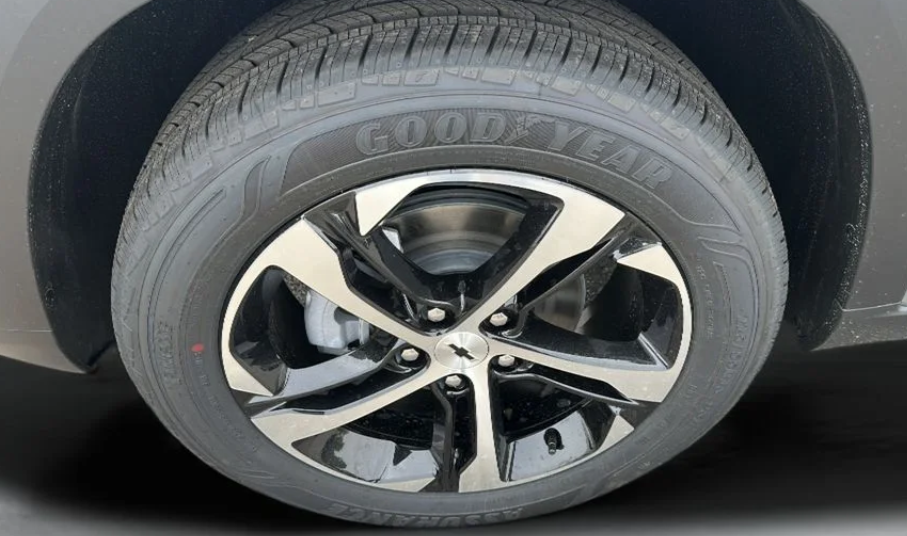
Why Summer Is Hard on Tires
Heat is one of the biggest enemies of tire health. As pavement temperatures rise — Eastern Washington roads can get extremely hot in July and August — tire pressure increases, rubber softens, and worn tread becomes a real safety risk. Add a full load of passengers and gear, and the demands on your tires go up even further. The good news is that a basic pre-trip tire inspection takes less than 10 minutes and can make a significant difference in safety and fuel efficiency.
Your Summer Tire Checklist
- ✓Check Tire Pressure — Tire pressure fluctuates with temperature — roughly 1 PSI for every 10°F change. Hot summer weather can cause tires to over-inflate, which reduces the contact patch and can lead to uneven wear or a blowout. Check your pressure when the tires are cold (before driving) and inflate to the recommended PSI listed on the sticker inside your driver’s door — not the number on the tire sidewall.
- ✓Inspect Tread Depth — Worn tread means reduced traction, especially if you hit any summer rain. The legal minimum is 2/32″, but for safe summer driving — especially at highway speeds — 4/32″ or more is recommended. A quick check: insert a quarter into a tread groove with Washington’s head pointing down. If you can see the top of his head, it’s time for new tires.
- ✓Look for Sidewall Damage — Walk around your vehicle and inspect the sidewalls of each tire for cracks, bulges, or bubbles. A bulge in the sidewall is a sign of internal damage and means the tire could fail at any moment — especially under highway load and heat. Don’t road trip on a bulging tire.
- ✓Check for Uneven Wear — Uneven tread wear is often a sign of alignment or suspension issues. If the inner or outer edges of your tire are wearing faster than the center, or vice versa, it’s worth having your alignment and tire rotation checked before a long drive.
- ✓Don’t Forget the Spare — A spare that’s flat or cracked won’t help you if you get a roadside flat on Highway 12 or I-82. Check your spare’s pressure and condition before every road trip.
Quick Summer Tire Tips
Check pressure in the morning
Always check tire pressure when tires are cold — before you’ve driven more than a mile or two — for the most accurate reading.
Don’t overload your vehicle
Every vehicle has a max load rating. Exceeding it in summer heat dramatically increases the risk of a blowout.
Rotate every 5,000–7,500 miles
Regular rotation extends tire life and ensures even wear across all four tires — especially important heading into a heavy-use summer.
Watch for vibration while driving
Vibration or pulling to one side while driving is often a sign of alignment, balance, or tire issues. Get it checked before a long trip.
Let Speck Chevrolet of Prosser get you road trip ready.
Our service team can inspect your tires, check your alignment, rotate and balance, and make sure your vehicle is in top shape before you hit the road this summer. We serve drivers from Prosser, Sunnyside, and across the Tri-Cities and Yakima Valley. Schedule your summer service appointment online or stop by — we’ll get you out the door and on your way.
The information provided is for general informational purposes only and does not constitute legal, financial, or professional advice. While we strive to provide accurate and up-to-date information, we make no guarantees regarding the completeness, accuracy, or reliability of the information presented. Any action you take based on the context of this blog is strictly at your own risk. Always consult a qualified professional or specialist for advice specific to your situation. We are not responsible for any losses or damages arising from the use of this blog or its content.

