




2026 Chevrolet Silverado 2500 Highlights
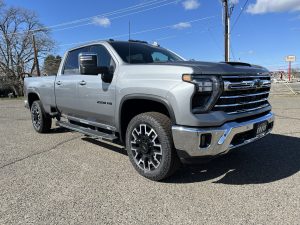
The 2026 Chevrolet Silverado 2500 HD is built for those who need serious capability. It is one of the most powerful heavy-duty trucks available today. At Speck Chevrolet of Prosser, we are proud to offer this outstanding truck.
Power Under the Hood
The standard 6.6-liter V8 gas engine delivers 401 horsepower and 464 lb-ft of torque. If you need more, the available Duramax Turbo-Diesel V8 produces 470 horsepower and up to 975 lb-ft of torque. Both engines come with a 10-speed automatic transmission for smooth, confident shifting.
Towing Capability
The highest tow rating reaches 22,420 pounds when probably configured with the Duramax diesel engine. Up to 14 available camera views help you line up hitches and navigate tight spaces with ease. Whether hauling equipment or towing a trailer, this truck handles it all with confidence.
Technology and Comfort
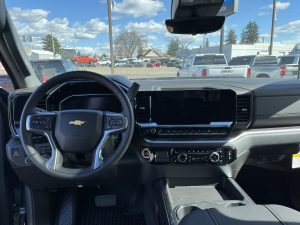
On the inside you’ll find a 13.4-inch touchscreen with Google built in, wireless Apple CarPlay, and Android Auto. Chevrolet Safety Assist comes standard, including Automatic Emergency Braking, Lane Keep Assist, and IntelliBeam auto high beams. Higher trims add premium features like an available power tailgate and integrated tailgate step.
Final Thoughts
The 2026 Chevrolet Silverado 2500 HD is a true workhorse with modern comfort and tech. Stop on by Speck Chevrolet of Prosser to explore our Silverado trucks, current specials, and take a 2026 Chevrolet Silverado 2500 HD on a test drive. Also be sure to ask about Chevy fleet and commercial for more available options.
2026 Chevrolet Colorado vs Silverado 1500
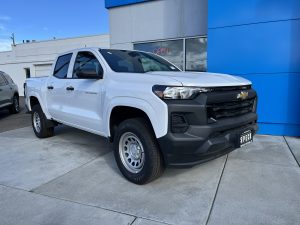
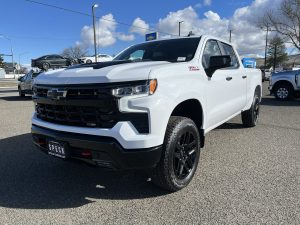
When you are comparing the two most popular Chevrolet trucks, it’s important to know the differences. The Colorado is a mid-size pickup with a balance of capability, fuel economy, and maneuverability. On the other hand, the Silverado 1500 is a full-size truck with power, cargo capacity, and towing capability.
Size, Power, and Capability
Lets look at the Chevy Colorado vs Silverado on some of the more standout factors. Firstly, looking at the MSRP, the Colorado starts at $32,400 while the Silverado starts at $36,900. The Silverado 1500 is larger in length and width providing a larger interior and bed space compared to the Colorado. Under the hood, all Colorados come equipped with a 2.7L turbocharged four-cylinder engine delivering 310hp and 430 lb-ft of torque. The Silverado 1500 offers the same engine but also offers other choices like a V8 diesel for stronger performance. When it comes to capability, the Colorado can tow up to 7,700 pounds, which is great for a mid-size truck. The Silverado 1500 however, can tow up to 13,300 pounds making it a better option for heavy trailers and more.
Everyday Use and Practicality Differences
The Colorado makes it easier to fit in tight spaces and has a better fuel economy due to its smaller frame and weight. The Silverados larger size allows for seating options for 6 rather than the option for 5 in the Colorado. The Silverado 1500 also offers more advanced tech and comfort options compared to the Coloroados tech and comfort.
Final Thoughts
In the end, you have to determine what you need from a truck to best choose between the two. The more affordable light-duty option is the Colorado. While the more powerful heavy-duty option is the Silverado 1500. You can come on over to Speck Chevrolet of Prosser to see these two options side by side. Be sure to ask a salesperson for a test drive to feel the differences first hand.
Used Toyotas For Sale
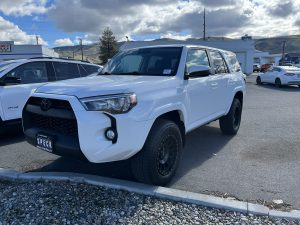
If you want one of the most reliable vehicles for an even better price, look no further than the current selection of used Toyotas we have. Toyota has built a strong reputation for their long lasting performance, fuel efficiency, and overall reliability. We have a large selection of some of the most popular Toyota models for you to browse.
A Variety of Models
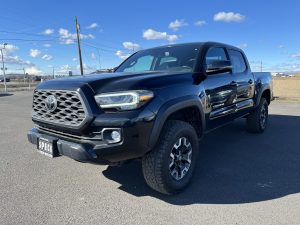
Whether you are looking for a fuel-efficient sedan like the Toyota Corolla and Toyota Camry to a versatile SUV like the Toyota RAV4 and Toyota Highlander or even a capable truck like the Toyota Tacoma. Toyota has vehicles for the everyday commuter, growing families, and outdoor enthusiasts.
Proven Reliability
Toyota is one of the leading brands when it comes to their durability. With proper care and maintenance you can have the peace of mind knowing that a used Toyota has the ability to reach a high mileage.
Strong Long-Term Value
Used Toyotas can typically hold their value very well when compared to new vehicles. That means you can enjoy the quality engineering and modern features without braking the bank.
Final Thoughts
With a strong performance, much needed features, and a wide range of models, used Toyotas remain to be one of the smartest choices in the pre-owned market. Come on over to Speck Chevrolet of Prosser, a used Tri-Cities Toyota dealer, and see the used Toyotas SUVs and used Toyota Trucks we have available or all of our other used inventory.
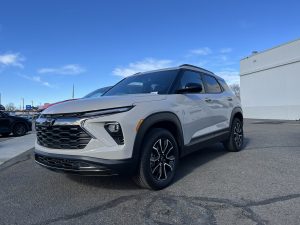
The 2026 Chevrolet Trailblazer is a stylish compact SUV that combines city friendly drivability and available features commonly found in larger vehicle. If you are in the search for an SUV with modern technology, and convenience all while at a great value, the Chevrolet Trailblazer lineup offers a selection of trims made for you.
2026 Chevrolet Trailblazer Trim Levels
Here is a list of available trims and what to expect from each one:
- Trailblazer LS: Starting MSRP of $23,300. The LS is the base Trailblazer trim and provides the essential SUV functions with a comfortable interior and modern technology.
- Trailblazer LT: Starting MSRP of $24,400. The LT trim upgrades the features and comfort with a larger touchscreen and additional driver-assist technology.
- Trailblazer ACTIV: Starting MSRP of $27,900. The ACTIV trim is designed to be the rugged and adventurous trim, adding available all-wheel drive and suspension tweaks.
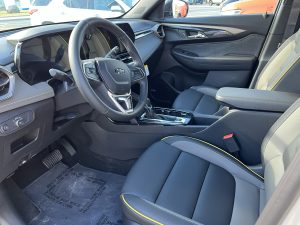
- Trailblazer RS: Starting MSRP of $27,900. The RS trims adds sporty design elements including exterior accents, upgraded wheels, and special interior touches.
Final Thoughts
The 2026 Chevrolet Trailblazer lineup make you choosing the right vehicle the easy part. Whether you are wanting a great value, an outdoor adventure, or a sporty design, the trailblazer has an option for you. Come on over to Speck Chevrolet of Prosser and take a look at these Trailblazers for yourself. Don’t forget to ask if we have any current deals on any new 2026 Trailblazers!
New 2026 Silverado 1500 Interior Highlights
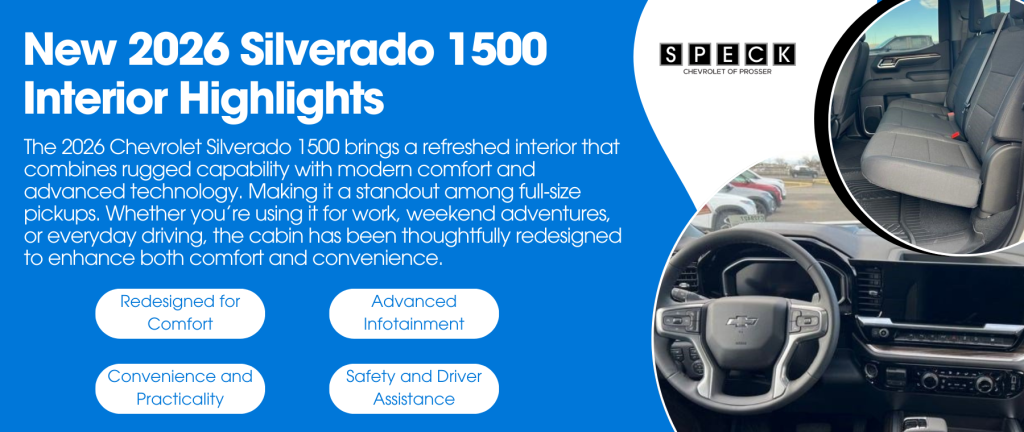
The 2026 Chevrolet Silverado 1500 brings a refreshed interior that combines rugged capability with modern comfort and advanced technology. Making it a standout among full‑size pickups. Whether you’re using it for work, weekend adventures, or everyday driving, the cabin has been thoughtfully redesigned to enhance both comfort and convenience.
A Redesigned Cabin Built for Comfort
Inside the Silverado 1500, Chevrolet focused on creating a more spacious and inviting environment. The cabin features upgraded materials, softer touchpoints, and an overall premium feel, even in trims aimed at work‑oriented drivers. Available heated and ventilated front seats help keep everyone comfortable in varying weather conditions.
Advanced Infotainment and Connectivity
Technology plays a central role in the 2026 Silverado’s interior. Most models feature Chevrolet’s Infotainment 3 System with a large 13.4‑inch touchscreen that serves as the hub for navigation, media, and vehicle settings. This system supports wireless Apple CarPlay® and Android Auto™ for seamless smartphone integration, and some trims offer Google built‑in for voice‑activated assistance and native navigation.
In addition to the impressive touchscreen, a 12.3‑inch configurable digital driver display is available on higher trims, allowing drivers to tailor the information shown. Such as trip data, navigation prompts, or performance stats, right in their line of sight.
Convenience and Practicality
The Silverado 1500 doesn’t compromise on functionality. A large center console and additional under‑seat storage help keep essentials organized, while multiple USB ports and a built‑in Wi‑Fi hotspot ensure everyone stays connected on the go. Available dual‑zone automatic climate control makes it easy to customize comfort for both driver and front passenger.
Premium trims like the High Country take luxury further with features such as heated rear outboard seats, ambient lighting, and real wood or brushed aluminum trim accents.
Safety and Driver Assistance Integration
While comfort and tech are highlights, the Silverado’s interior also integrates important safety features. Standard Chevrolet Safety Assist includes automatic emergency braking and lane‑keeping help, while available options like Super Cruise™ hands‑free driving bring cutting‑edge driver assistance to capable full‑size pickup technology.
Conclusion
The 2026 Chevrolet Silverado 1500’s interior represents a meaningful step forward in comfort, technology, and versatility. With a modern infotainment suite, spacious seating, premium materials, and smart storage solutions, this truck is as capable inside as it is out on the road or worksite. Schedule your test drive today!
If you’re in the market for a new vehicle, one of the biggest decisions you’ll face is whether to lease or finance your car. Both options have their benefits, and understanding the key differences can help you make the best choice for your budget and lifestyle. Let’s break it down in simple terms.
What is Leasing?
With leasing, you get to drive a brand-new vehicle for a set period while making monthly payments. When the lease term ends, you return the car to the dealership, or you may have the option to buy it.
Pros of Leasing:
- Lower Monthly Payments: Lease payments are often lower than loan payments because you’re only paying for the car’s depreciation during the lease term, not the full value.
- New Car Every Few Years: Leasing allows you to upgrade to a new model every few years with the latest technology and safety features.
- Lower Repair Costs: Most leased cars are under warranty for the duration of the lease, reducing unexpected repair expenses
Cons of Leasing:
- Mileage Limits: Leases come with mileage restrictions, usually ranging from 10,000 to 15,000 miles per year. Exceeding this limit results in extra fees.
- No Ownership: You don’t build equity in the vehicle since you return it at the end of the lease.
- Potential Fees: You may be charged for excessive wear and tear or early lease termination.
What is Financing?
Financing means taking out a loan to buy a car. You make monthly payments until the loan is paid off.
Pros of Financing?
- Ownership: When you finance a car, it’s yours once the loan is paid off.
- No Mileage Restrictions: Unlike leasing, you can drive as many miles as you want without worrying about extra fees.
- Freedom to Customize: You can modify or personalize the car however you like.
Cons of Financing:
- Higher Monthly Payments: Loan payments are generally higher than lease payments because you’re paying off the entire value of the car.
- Depreciation: The car loses value over time, and when you’re ready to sell or trade it in, it may be worth much less than what you paid.
Which Option is Best for You?
The right choice depends on your priorities:
- If you prefer lower payments and driving a new car every few years, leasing might be your best bet.
- If you want to own your car and avoid mileage limits, financing could be the better option.
No matter which route you take, our expert finance team is here to help you explore your options and find the perfect vehicle for your needs. Call 509-348-4349 or stop by Speck Chevrolet of Prosser today!
How Many Seats Are in the Chevrolet Traverse?
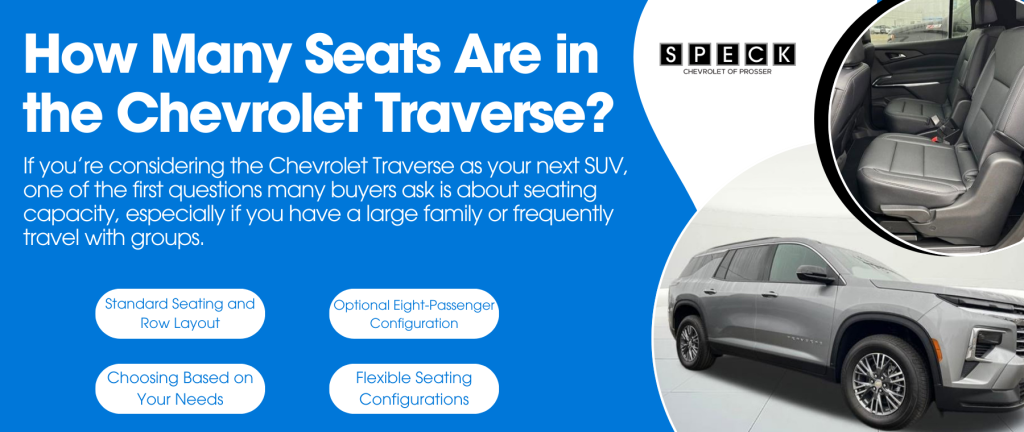
If you’re looking for a new SUV, one of the first questions buyers ask is about seating capacity. If you have a large family or frequently travel with groups, the Traverse offers flexible seating configurations designed to adapt to different needs and lifestyles.
Standard Seating and Row Layout
The Chevrolet Traverse comes with three rows of seats as part of its spacious interior design. In most configurations, it seats seven passengers by default, with two seats in the front row, two in the second row (captain’s chairs), and a three-person bench in the third row. This setup provides comfortable seating for both adults and children, making it a strong choice for family driving.
Optional Eight-Passenger Configuration
For those who need even more seating capacity, certain trims offer an optional second-row bench seat instead of captain’s chairs. With this configuration, the Traverse can seat up to eight passengers, two in the front, three in the second row, and three in the third row. This option is especially handy if you regularly transport larger groups or have more passengers than cargo on a typical trip.
Choosing Based on Your Needs
- Seven-Seat Configurations: Most trims come standard with second-row captain’s chairs, which improve individual comfort and ease of access to the third row.
- Eight-Seat Configurations: Available with a second-row bench seat, ideal for maximizing passenger capacity when needed.
Test Drive a Chevy Traverse Today
Whether you need extra room for family, friends, or carpooling, the Chevy Traverse gives you options that make it the leading choice in the three-row SUV segment. Visit Speck Chevrolet of Prosser to explore seating configurations and find the best fit for your lifestyle.
The information provided is for general informational purposes only and does not constitute legal, financial, or professional advice. While we strive to provide accurate and up-to-date information, we make no guarantees regarding the completeness, accuracy, or reliability of the information presented. Any action you take based on the context of this blog is strictly at your own risk. Always consult a qualified professional or specialist for advice specific to your situation. We are not responsible for any losses or damages arising from the use of this blog or its content.
When to Replace Your Windshield Wipers

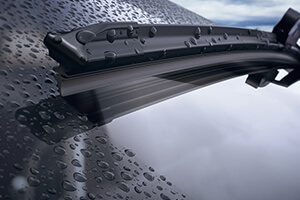
Windshield wipers play a crucial role in maintaining visibility during rain, snow, and other adverse weather conditions. Over time, wiper blades wear out, reducing their effectiveness and making driving hazardous. Knowing when to replace your windshield wipers ensures optimal performance and safety on the road.
1. Signs That Your Windshield Wipers Need Replacing
If you notice any of the following signs, it’s time to replace your wipers:
- Streaking or Smearing: If your wipers leave streaks on the windshield, they may be worn out or have dirt buildup.
- Skipping or Chattering: Wipers that bounce or skip across the glass indicate hardened rubber or an uneven edge
- Squeaking Noises: A loud, high-pitched squeak often means the rubber is dry and no longer making proper contact with the glass.
- Cracked or Torn Rubber: Inspect the blades for visible cracks or splits, which reduces their effectiveness.
- Reduced Visibility in Rain or Snow: If your wipers struggle to clear the windshield properly, replacing them can improve your visibility and safety.
2. How Often Should You Replace Windshield Wipers?
Most experts recommend replacing windshield wipers every 6 to 12 months, but factors like climate and usage may affect their lifespan. Consider replacing them sooner if you:
- Frequently drive in extreme weather conditions (heat, cold, rain, or snow).
- Notice a significant drop in performance.
- See visible wear or damage on the blades.
3. How to Extend the Life of Your Windshield Wipers
To maximize the lifespan of your wipers, follow these maintenance tips:
- Clean Your Windshield Regularly: Dirt and debris can cause excessive wear on the rubber blades.
- Wipe Down the Blades: Use a damp cloth or wiper cleaner to remove buildup and keep the rubber flexible.
- Lift Wipers During Freezing Weather: Prevent ice buildup that can crack or tear the rubber.
- Use the Right Washer Fluid: Avoid harsh chemicals that may degrade the rubber over time.
- Replace Wipers in Pairs: Ensure even performance by changing both wipers at the same time.
4. Choosing the Right Wiper Blades
When selecting new wipers, consider the following options:
- Conventional Blades: Standard, budget-friendly option found on most vehicles.
- Beam Blades: More durable, better at handling extreme weather, and offer a sleeker design.
- Hybrid Blades: Combine durability and aerodynamic efficiency for improved performance.
Check your vehicle’s owner’s manual for the correct size and type of wipers before purchasing replacements.
Final Thoughts
Windshield wipers are essential for clear visibility and safe driving. By recognizing the signs of wear and replacing them regularly, you can maintain peak performance and drive with confidence in any weather condition. Don’t wait until a storm hits, schedule your appointment today!
The information provided is for general informational purposes only and does not constitute legal, financial, or professional advice. While we strive to provide accurate and up-to-date information, we make no guarantees regarding the completeness, accuracy, or reliability of the information presented. Any action you take based on the context of this blog is strictly at your own risk. Always consult a qualified professional or specialist for advice specific to your situation. We are not responsible for any losses or damages arising from the use of this blog or its content.
How Often Should I Get My Air Conditioning Serviced?

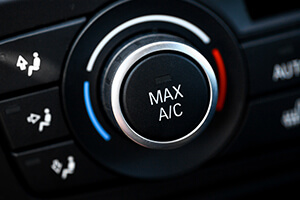
Keeping your vehicle’s air conditioning (A/C) system in top shape is key to staying cool and comfortable during the warmer months. Routine maintenance not only ensures comfort but can also help you avoid costly repairs down the road.
Recommended Service Frequency
In general, it’s a good idea to have your A/C system inspected and serviced at least once a year. This annual check-up helps technicians spot any developing issues before they become major problems.
However, you might need service sooner if you notice any of the following:
- Weak or warm airflow
- Strange noises when the A/C is running
- A musty or unpleasant smell coming from the vents
- Visible leaks under the car (especially if oily or greenish in color)
What Happens During an A/C Service?
When you bring your vehicle in for an A/C service, a technician typically:
- Inspects the A/C compressor, condenser, and other components
- Checks for refrigerant leaks
- Measures refrigerant levels and recharges if necessary
- Tests the system’s pressure and cooling performance
- Cleans or replaces the cabin air filter
Why Regular A/C Maintenance Matters
Neglecting your A/C system can lead to a loss in performance, reducing fuel efficiency, and even damage to other components. Regular maintenance ensures:
- Consistent cabin cooling
- Proper airflow
- Extended lifespan of A/C components
Schedule Your A/C Service Today
If it’s been more than a year since your last A/C service, or if your system isn’t performing like it used to, it’s time to schedule an inspection. Browse our service specials, then schedule your AC service at 509-781-9170!
The information provided is for general informational purposes only and does not constitute legal, financial, or professional advice. While we strive to provide accurate and up-to-date information, we make no guarantees regarding the completeness, accuracy, or reliability of the information presented. Any action you take based on the context of this blog is strictly at your own risk. Always consult a qualified professional or specialist for advice specific to your situation. We are not responsible for any losses or damages arising from the use of this blog or its content.
New 2025 Chevrolet Blazer Frequently Asked Questions
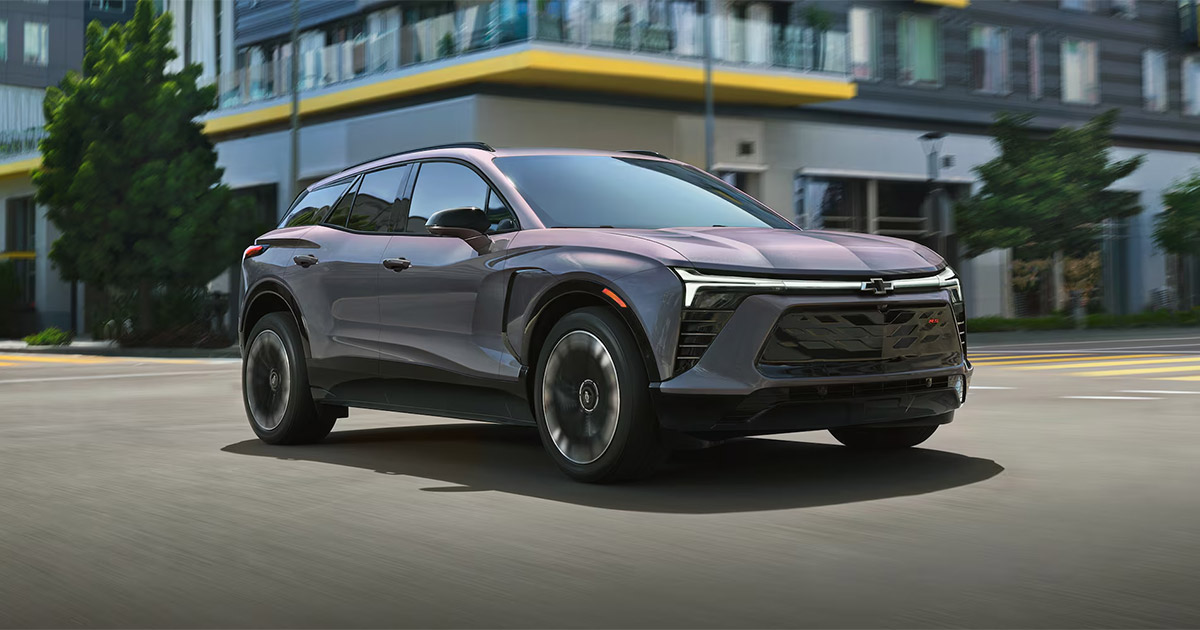
The 2025 Chevrolet Blazer is a stylish and capable SUV that offers a blend of performance, technology, and comfort. Here are some frequently asked questions about this new model to you learn more.
What Engine Options Are Available for the 2025 Chevrolet Blazer?
The 2025 Chevrolet Blazer offers multiple powertrain options, including:
- 2.0L Turbocharged 4-Cylinder: Provides a balance of power and efficiency.
- 3.6L V6 Engine: Delivers strong acceleration and higher towing capacity.
- Hybrid Options (if available): Offers improved fuel economy and reduced emissions.
What Trim Levels Are Available?
The 2025 Blazer comes in several trims to suit different preferences and budgets:
- LT: Well-equipped base model with advanced tech features.
- RS: Sporty design with performance-enhanced capabilities.
- Premier: Luxurious features and premium interior materials.
- Blazer EV: An all-electric version for eco-conscious drivers.
What Technology Features Does the 2025 Blazer Include?
Chevrolet has equipped the new Blazer with cutting-edge technology, including:
- Chevrolet Infotainment System with a large touchscreen display.
- Apple CarPlay® & Android AutoTM for seamless smartphone integration.
- Wireless Charging to keep your devices powered on the go.
- Advanced Driver Assistance Features, such as adaptive cruise control and lane-keeping assist.
How Is the Interior of the 2025 Chevrolet Blazer Designed?
The Blazer’s interior is designed for comfort and versatility with features such as:
- Spacious seating for up to five passengers.
- Premium materials on higher trims for a more refined feel.
- Adjustable cargo space with split-folding rear seats for extra storage.
What Is the Estimated Fuel Efficiency of the 2025 Chevrolet Blazer?
Fuel efficiency varies depending on the engine and drivetrain options:
- 2.0L Turbo 4-Cylinder: Estimated around 24-27 MPG combined.
- 3.6L V6: Typically offers around 20-23 MPG combined.
- Blazer EV: Expected to provide a high electric range per charge.
What Safety Features Are Included?
The 2025 Chevrolet Blazer prioritizes safety with standard and available features such as.
- Chevy Safety Assist suite, which includes automatic emergency braking and lane departure warning.
- Rear Cross Traffic Alert: to assist in parking situations.
- Adaptive Cruise Control for a more relaxed driving experience.
What Is the Starting Price of the 2025 Chevrolet Blazer?
Pricing varies based on trim level and options, but the estimated starting MSRP is around $35,000 for the base model, with higher trims reaching $50,000+ for fully loaded configurations.
Conclusion
The 2025 Chevrolet Blazer offers a combination of bold styling, modern technology, and powerful performance. Whether you’re looking for a fuel-efficient SUV, an electric option, or a sporty ride, the Blazer provides something for everyone.
Connect with us

